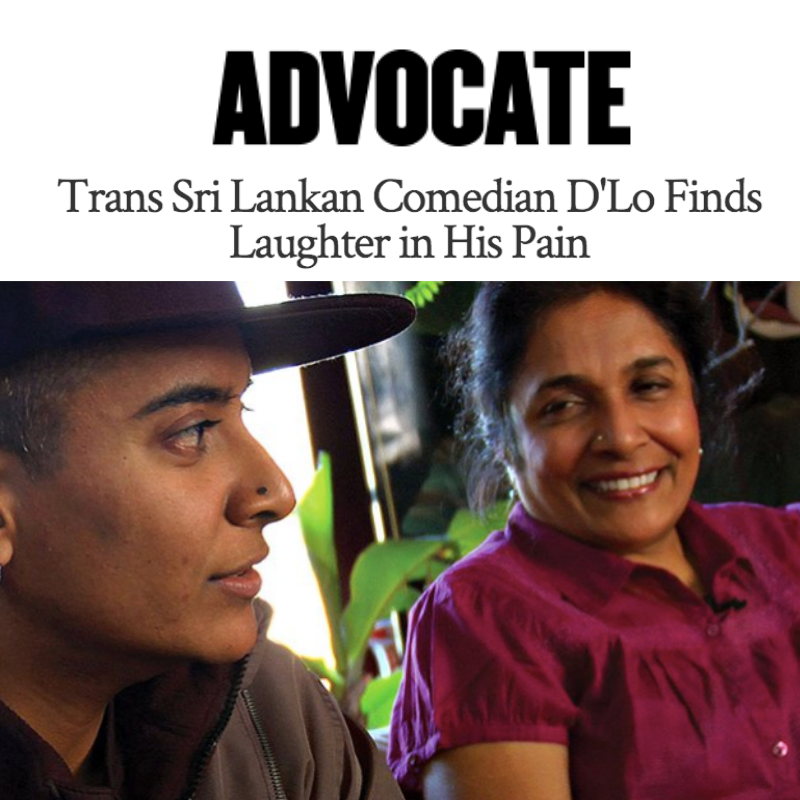
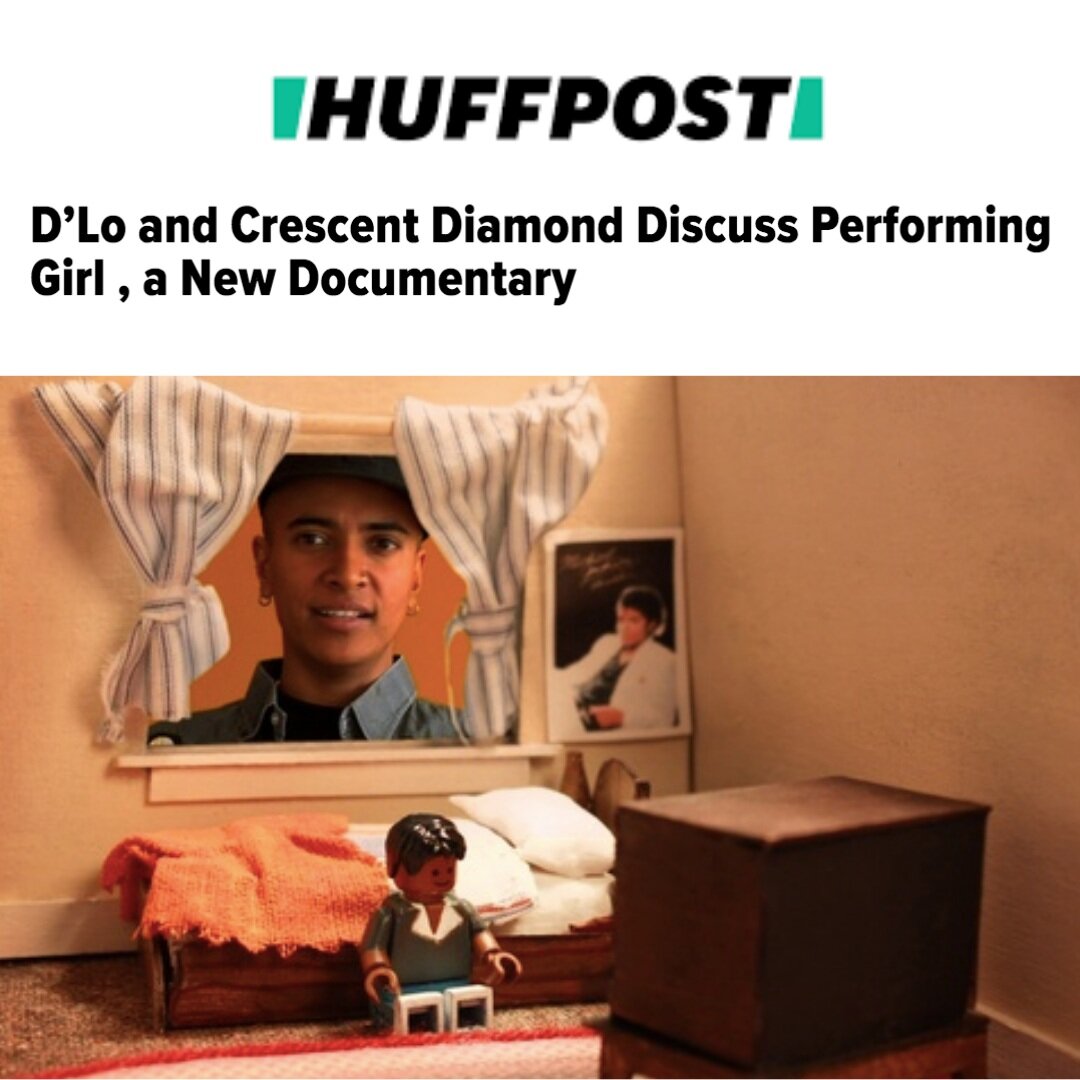
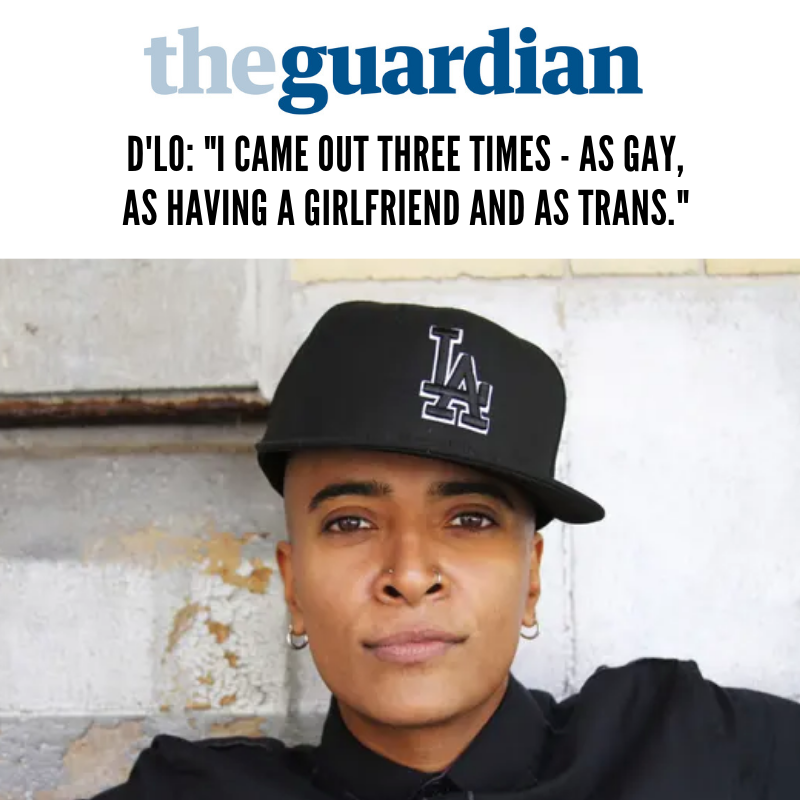
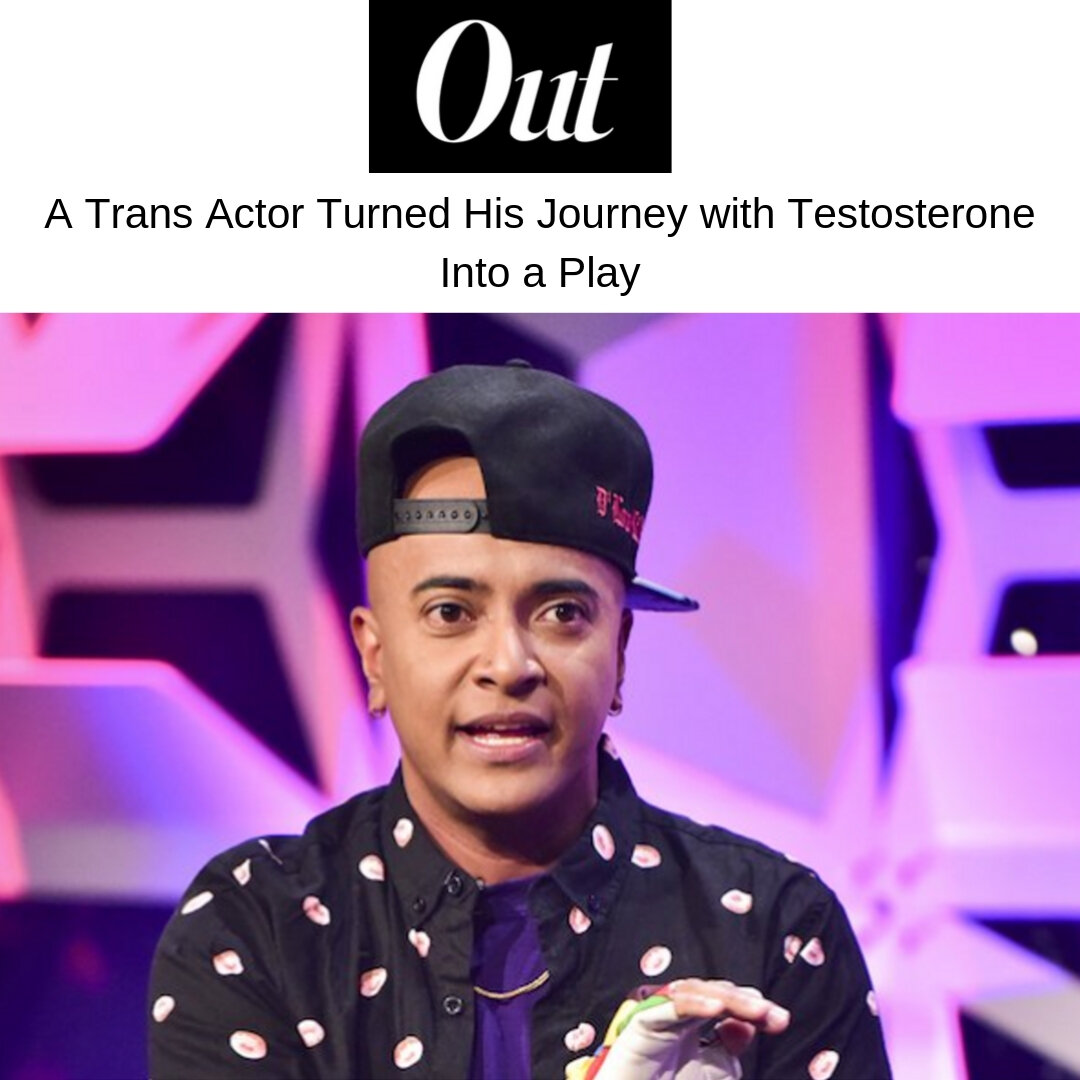
D’Lo is a queer & trans Tamil-Sri Lankan-American actor/writer/comic and cultural worker. His work ranges from stand-up comedy, solo theater, plays, films, short stories and poetry. His solo shows Ramble-Ations, D’FunQT, D’FaQTo Life and To T, or not To T have toured theaters and festivals nationally, and he is a regular performer/speaker on the college/university circuit as well.
His acting credits include: LOOKING, TRANSPARENT, SENSE 8, Mr. ROBOT and Issa Rae-produced MINIMUM WAGE. Most recently, D’Lo was awarded the Artist Disruptor Fellowship through the Center for Cultural Performance and 5050x2020 an initiative started by Joey Soloway, and he is also a Senior Civic Media Fellow through USC’s Annenberg School of Innovation funded by the MacArthur Foundation.
As a writer he has been published in various anthologies and academic journals, and he is the creator of the “Coming Out, Coming Home” writing workshop series which have taken place with South Asian and/or Immigrant LGBTQ Organizations nationally, which provide a transformative space for workshop participants to write through their personal narratives and share their truths through a public reading.